

Foods To Avoid During Pregnancy
- Raw eggs (and dishes that contained raw/undercooked eggs). Eggs should be cooked thoroughly before consumption to prevent salmonella.
- Raw or undercooked meat. This includes cured meats (unless they have been cooked beforehand), as well as rare steak. Do not eat meat if any part of the meat is still pink, or if there is any trace of blood.
- Certain soft cheeses. Anything with a white rind (e.g. brie) or blue veins (e.g. gorgonzola) should be avoided, unless the cheese has been cooked thoroughly before consumption.
- Certain types of fish. The NHS recommends that pregnant women avoid eating shark, marlin and swordfish.
- Raw shellfish. Ensure that any shellfish you consume during your pregnancy has been cooked properly first.
- Unpasteurised milk.
- Pâté (even if it doesn't contain any meat).
- Liver (and dishes that contain liver).
- Unwashed fruit/vegetables. Make sure that any soil has been washed off your fruit/veg before you eat it.
- Certain vitamin supplements. Be sure to avoid fish liver oil supplements and vitamin A supplements in particular.
What Are The Risks If I Eat These Foods While Pregnant?
There are lots of health risks associated with eating the foods listed above while pregnant. Here are some of the most common risks:
Food poisoning (listeriosis) – This can come about from eating unwashed fruit and vegetables and unpasteurised milk products, among others. The illness in pregnant women can be very serious. Possible risks include miscarriage, stillbirth and premature labour.
Mercury exposure – Babies in the womb can be seriously affected by exposure to mercury. This can happen if pregnant women eat certain types of fish that contain mercury, for example. Health risks include damaging their developing nervous system, hearing and vision problems, among others.
Vitamin A exposure – Research suggests that women who take vitamin A supplements during pregnancy increase the risk of certain abnormalities and may disrupt foetal development.
Toxoplasmosis – Consuming raw or undercooked meat during pregnancy puts you at risk of toxoplasmosis, an infection caused by a parasite. This puts your unborn baby at risk of brain damage or blindness. It’s also common for babies to be born prematurely if their mothers developed toxoplasmosis for the first time shortly before or during their pregnancy.
Salmonella poisoning – If you experience salmonella poisoning from foods like raw eggs during pregnancy, there is a chance that it could also infect your baby. This can result in them being born with a fever or even sepsis. Miscarriage is also possible under these circumstances but it’s rare.
Alcohol poisoning – Drinking too much alcohol while pregnant puts your baby at risk of FAS (foetal alcohol syndrome), as well as miscarriage, stillbirth or premature birth.
Caffeine poisoning – Too much caffeine consumption during pregnancy can sometimes lead to miscarriage, premature birth or low birth weight.
Foods You Can Eat When Pregnant
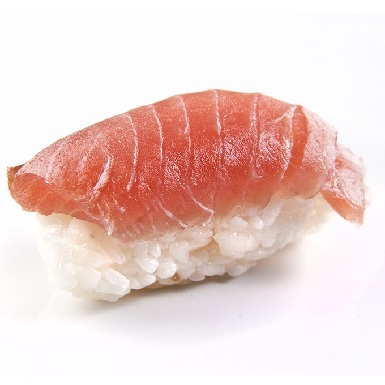
- Most types of fish and shellfish are OK to eat if they have been cooked properly. You can eat uncooked fish too, as long as it has been frozen before consumption (this will generally include sushi sold at supermarkets - if in doubt, stick to sushi that contains only cooked fish and vegetables). Tuna and other oily fish can be enjoyed in moderation; we recommend visiting the NHS Choices website for more information on how much tuna/oily fish you can safely eat while pregnant.
- Yoghurt is safe as long as it was made using pasteurised milk. The same is true of ice cream.
- Venison and other game should only be avoided if the animal was shot using lead bullets. Speak to the supplier if you're unsure where the meat came from.
- Liquorice may be eaten freely during pregnancy.
- Caffeine may be consumed during pregnancy; however, it is recommended that you do not exceed 200g of caffeine a day.
- Green tea can be enjoyed in moderation - limit yourself to no more than 4 cups a day, and bear in mind that each cup will count towards your daily caffeine limit too (see above).


